The DSO Operating System
A build plan for the group that wants to run like one company at ten locations, twenty, or fifty.
- Write SOPs in three layers so the right things stay identical and the rest can flex
- Run a stage-gated integration for every acquired or de novo location and avoid losing the first 90 days
- Design reporting lines, an accountability matrix and a support center that scale
What this book is about
Somewhere between five locations and fifteen, a dental group stops being a bigger version of what it was. The founder's personal oversight, the billing coordinator everybody trusts, the unwritten way things get done: none of it stretches. It snaps. The groups that see it coming build their systems early. The rest spend years rebuilding the foundation while still trying to grow on top of it.
The DSO Operating System is the book for that moment. Eighteen chapters in six parts walk through the whole machine: SOPs people actually follow, a stage-gated integration playbook for every new location, org design from 2 to 50 sites, the technology stack, centralized billing, financial reporting, payor strategy, clinical standards, compliance, talent, culture, governance and growth. Each chapter ends in something you can put to work, and the appendices supply the templates.
Pete Volk wrote it to be worked through, not read straight through. Find the gap that's hurting you right now, start there, and come back for the other chapters when the next gap shows itself.
Written for the reader in your chair.
- Founders and operators building or running a multi-location dental group
- COOs, regional directors and office managers who inherit the operating problems
- Investors, advisors and board members trying to understand why location twelve looks nothing like location three
Fair warning. This is a book about operating infrastructure. It doesn't give legal, tax or clinical advice, and every chapter tells you to check your own situation with qualified advisors.
After you've read it, you can:
- Write SOPs in three layers so the right things stay identical and the rest can flex
- Run a stage-gated integration for every acquired or de novo location and avoid losing the first 90 days
- Design reporting lines, an accountability matrix and a support center that scale
- Choose and migrate a practice management system, then build the stack around it
- Stand up a central billing office and a metrics and operating review cadence
- Score your own operating model against the self-assessment in the conclusion and pick your next build
Straight from the pages.
This is not a book to read straight through. It is a book to work through, selectively, intentionally, and with a specific gap in your operating model in mind.
This is the binder on the shelf problem. The documentation exists, but it is inaccessible at the moment of need. And because it is inaccessible, it is ignored. And because it is ignored, no one updates it.
If variation in this process would directly affect patient safety, financial accuracy, or brand consistency, it belongs at the enterprise layer. Everything else is negotiable.
Culture is what your organization does when no one is watching.
The full table of contents
Part I: Operational Foundations
The systems everything else rests on.
- 1The SOP ArchitectureCreating standard operating procedures that people actually follow.
- 2Location Onboarding and Integration PlaybookAcquiring or opening a new practice without losing 90 days of momentum.
- 3The Organizational Structure at ScaleDesigning reporting lines that work from 2 to 50 locations.
Part II: Technology and Systems Infrastructure
The nervous system of a multi-location group.
- 4PMS Consolidation and Technology StackChoosing and deploying the systems that run your entire enterprise.
- 5Analytics and Business IntelligenceTurning data into decisions across every location.
- 6Digital Patient Experience InfrastructureScheduling, communication and retention at scale.
Part III: Revenue and Financial Operations
Where clinical work turns into cash.
- 7Centralized Billing and Revenue Cycle ManagementBuilding a billing operation that scales with your group.
- 8Financial Reporting and Budget InfrastructureThe financial operating system behind multi-location performance.
- 9Payor Strategy and Contract ManagementMaximizing revenue from every payor relationship, including in-house membership plan architecture.
Part IV: Clinical Standardization
Consistency without flattening clinical judgment.
- 10Clinical Protocols and Standard of CareDelivering consistent clinical outcomes at multi-location scale.
- 11Infection Control and Regulatory ComplianceProtecting patients, providers and the enterprise.
- 12Equipment and Facility StandardsBuilding and maintaining consistent physical environments.
Part V: People, Culture and Governance
Who runs the locations, and who decides what.
- 13Talent Acquisition and Workforce ManagementRecruiting, hiring and retaining the people who run your locations.
- 14Culture ArchitectureScaling values without losing them.
- 15Governance Frameworks and Decision RightsWho decides what, and how decisions get made at scale.
Part VI: Scaling and Growth Execution
Using the system as a growth multiplier.
- 16Growth Strategy and Market ExpansionWhere to grow, how to prioritize, and how to move fast without breaking things.
- 17Specialty Integration and Service Line ExpansionAdding specialties without adding chaos.
- 18Operating at 20, 30 and 50 LocationsHow the operating system evolves as your group matures.
Appendices and tools
- ASOP template library
- BLocation integration checklist
- CKPI dashboard reference
- DBilling audit toolkit
- EGovernance templates
- FSelf-assessment scoring guide
- Edition
- First Edition, 2025
- Structure
- 18 chapters in 6 parts, plus a conclusion
- Back matter
- 6 appendices, glossary and bibliography
- Format
- Digital PDF
- Author
- Pete Volk, CEAS
“The DSO Operating System gave our regional managers a common playbook for running their offices.”
Questions people ask first.
Do I need to be a DSO already?
No. Part I and Part II are written for groups still building their first locations. The preface suggests reading them before you open your fifth.
Which chapters should I read first?
The one that matches the gap you feel right now. Groups past ten locations feeling friction are pointed to Part III and the conclusion's self-assessment first.
Is there a companion toolkit?
Yes. The DSO Operating System Calculator and Tool Suite covers the numbers side, and the free Appendices download gives you the templates.
How do I get it?
After you pay, a download link lands in your inbox. Keep the email and you can come back to it any time.
What if it isn't right for me?
Email me within 15 days of buying and I'll refund you. Read it, use the tools, and decide. No forms, no argument.
Is this a subscription?
No. It's a one-time price. You won't be billed again.
Who wrote it?
Pete Volk, CEAS, a 25+ year veteran of dental equipment and practice design who has also worked on DSO strategy and practice valuation.
I have a question before I buy.
Send it through the contact page and I'll answer it myself.
More for dso leaders
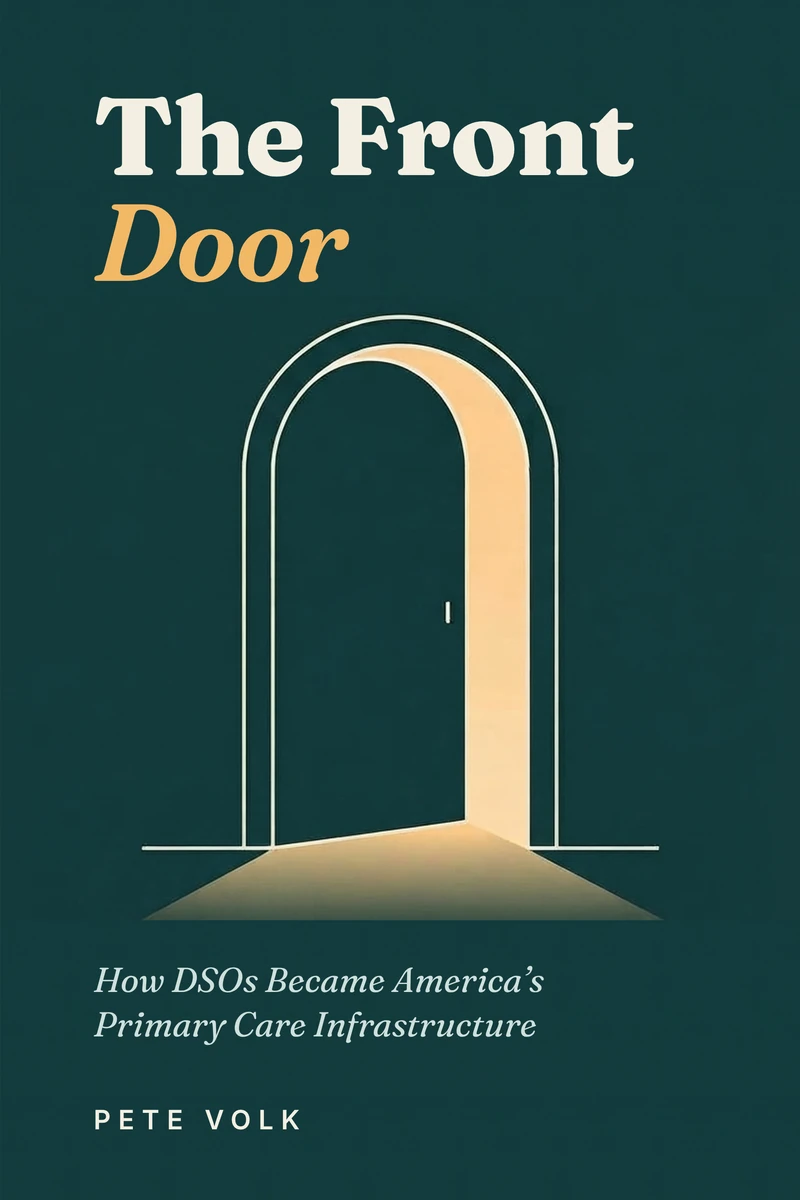
The Front Door: How DSOs Became America's Primary Care Infrastructure
Why the dental chair became a front door to primary care, and what it means for a group.
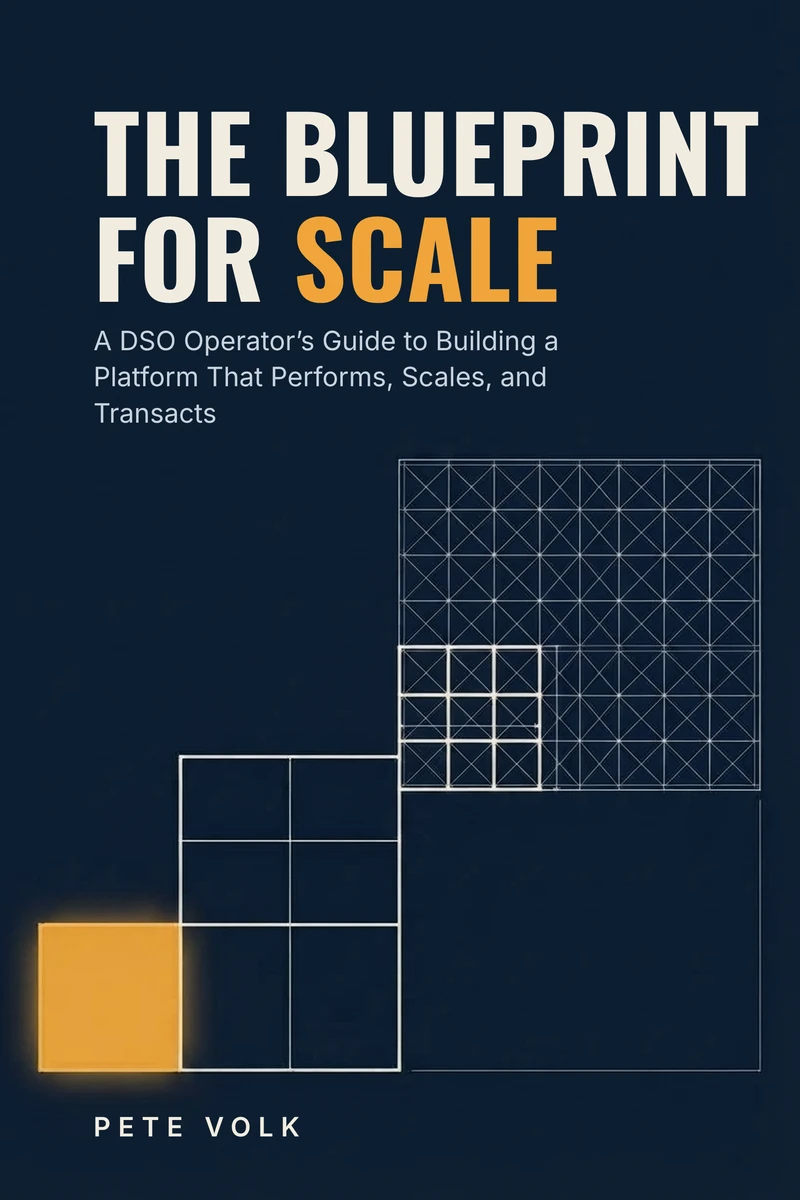
The Blueprint for Scale: A DSO Operator's Guide to Building a Platform
Build a platform that performs, scales, and sells at its full potential value.
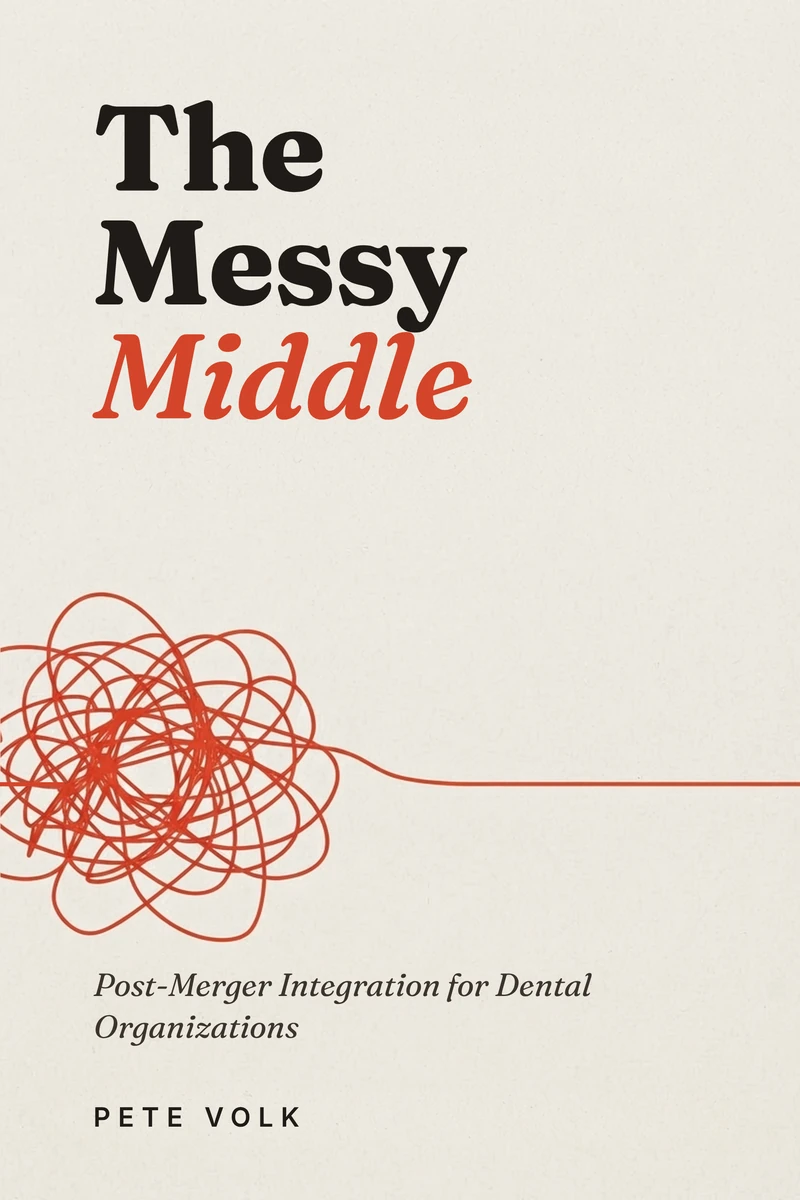
The Messy Middle: Post-Merger Integration for Dental Organizations
What happens after the deal closes, and how to get through the hard months.
$59