The Messy Middle: Post-Merger Integration for Dental Organizations
The deal closed. Now comes the part that decides whether it was worth doing.
- Learn what you actually bought, beyond what diligence reports
- Stand up an integration function and run a Day One that builds trust
- Handle compensation alignment and the selling doctor's transition with care
What this book is about
Somewhere in the first two weeks after close, a regional director walks into the practice you just bought. She has the LOI, the QOE, the equipment list, the payer mix and three years of P&Ls. Then she walks through the door and realizes she knows almost nothing. The file didn't mention the front desk coordinator who has quietly run the place for fourteen years, or the selling doctor's eleven-year habit of checking in with every staff member before a shift.
The Messy Middle is about everything the file leaves out. Eighteen chapters take you from Day Zero through the first thirty days, then culture and the human side of HR integration (including the selling doctor), clinical standards and fee schedules, compliance, technology and change management, and finally the long game at 12, 24 and 36 months. The last chapters make the case for treating integration as a strategic capability and not a one-off project.
Eight appendices hand you the working documents: a milestone tracker, a cultural compact, a pre-close audit, Day 1 communication templates, a clinical quality dashboard, a staff retention risk matrix and an integration close document.
Written for the reader in your chair.
- DSO integration leaders and operations teams absorbing acquired practices
- Regional and district managers who inherited a new office and a mandate
- Private equity operating partners responsible for making the synergy real
- Selling doctors and advisors who want to know what happens after the check clears
Fair warning. The book is operational guidance on integration. It isn't legal, HR, tax or financial advice. Employment, compensation and compliance decisions should be reviewed with qualified counsel.
After you've read it, you can:
- Learn what you actually bought, beyond what diligence reports
- Stand up an integration function and run a Day One that builds trust
- Handle compensation alignment and the selling doctor's transition with care
- Set clinical standards and fee schedules without losing the clinicians
- Choose and roll out practice management software and the wider technology stack
- Know what to expect and measure at 12, 24 and 36 months
The full table of contents
Part One: Day Zero, the Architecture of Integration
- 1What You Actually Bought
- 2Building the Integration Function
- 3Day One
Part Two: Culture, the Invisible Architecture
- 4Understanding What You're Integrating Into
- 5The Human Resources Integration
- 6Integrating the Selling Doctor
- 7Building Shared Culture at Scale
Part Three: Clinical Standards, the Non-Negotiables
- 8The Clinical Integration Framework
- 9Fee Schedule and Financial Integration
- 10Building Clinical Community Across a DSO
- 11Compliance, Infection Control, and the Regulatory Integration
Part Four: Technology, the Systems Integration
- 12The Practice Management Software Decision
- 13The Technology Stack Beyond the PMS
- 14IT Infrastructure Integration
- 15Change Management in Technology Integration
Part Five: The Long Game, Integration at 12, 24 and 36 Months
- 16Closing the Integration
- 17The Twenty-Four Month Inflection Point
- 18Building Integration as a Strategic Capability
Appendices and tools
- AA. Integration Milestone Tracker
- BB. The Cultural Compact
- CC. Pre-Close Integration Audit
- DD. Day 1 Communication Templates
- EE. Clinical Quality Dashboard: Metric Definitions and Benchmarks
- FF. Staff Retention Risk Matrix
- GG. Integration Close Document
- HH. Bibliography and Recommended Resources
- Format
- Digital book, 2026 Edition, 169 pages
- Structure
- 18 chapters in five parts, plus conclusion and eight appendices
- Written for
- DSO integration, operations and sponsor teams
“The Messy Middle is the book I’d hand an integration lead before their first acquisition closes.”
Questions people ask first.
Is this only for DSOs?
It is written for dental organizations absorbing practices, which includes DSOs, PE-backed platforms and growing groups. Selling doctors and advisors also use it to understand what comes after close.
When should I read it, before or after closing?
Before is better. Appendix C is a pre-close integration audit, and the decisions in the first thirty days shape the next eighteen months.
Does it cover the human side?
Heavily. Two parts address culture, HR integration, compensation alignment and the selling doctor, because those are where integrations usually succeed or fail.
What templates are included?
Eight appendices, including a milestone tracker, Day 1 communication templates, a staff retention risk matrix and a clinical quality dashboard.
Is this legal or HR advice?
No. It is operational guidance. Review employment, compensation and compliance decisions with qualified counsel.
How do I get it?
After you pay, a download link lands in your inbox. Keep the email and you can come back to it any time.
What if it isn't right for me?
Email me within 15 days of buying and I'll refund you. Read it, use the tools, and decide. No forms, no argument.
Is this a subscription?
No. It's a one-time price. You won't be billed again.
Who wrote it?
Pete Volk, CEAS, a 25+ year veteran of dental equipment and practice design who has also worked on DSO strategy and practice valuation.
I have a question before I buy.
Send it through the contact page and I'll answer it myself.
More for dso leaders
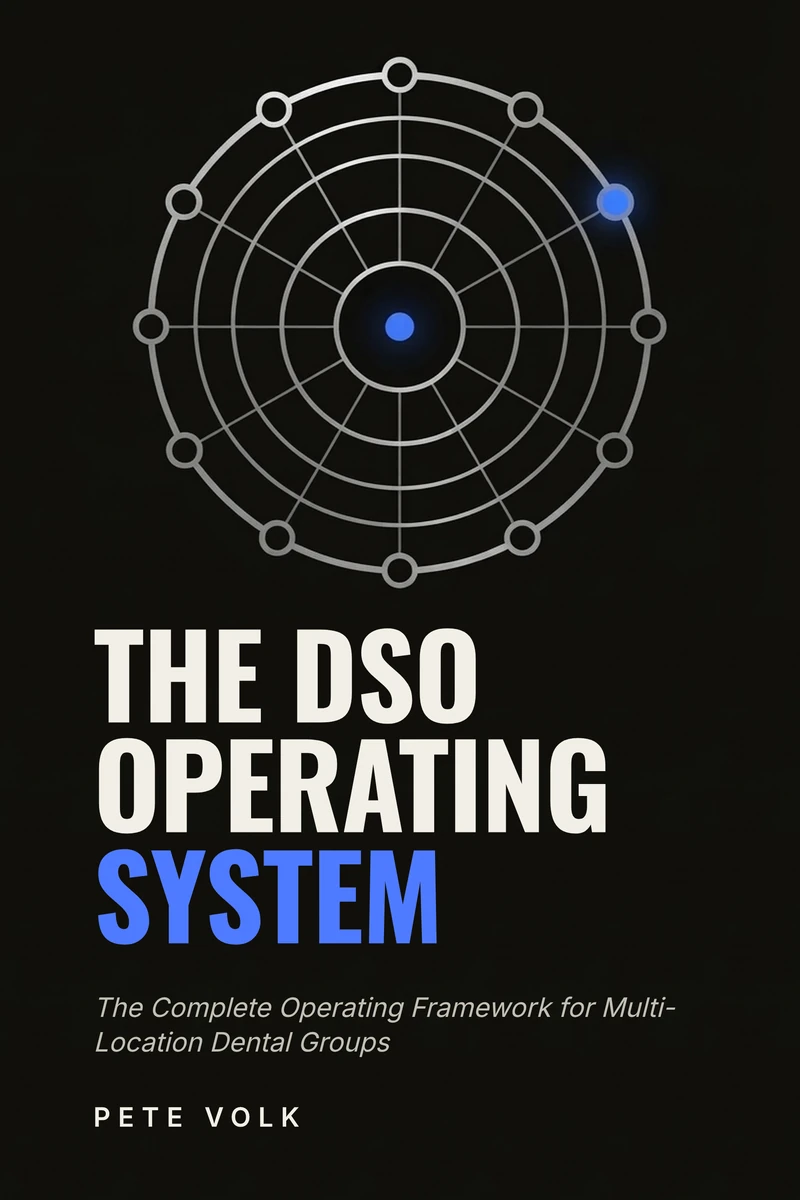
The DSO Operating System
The playbook for running multiple locations without losing the plot.
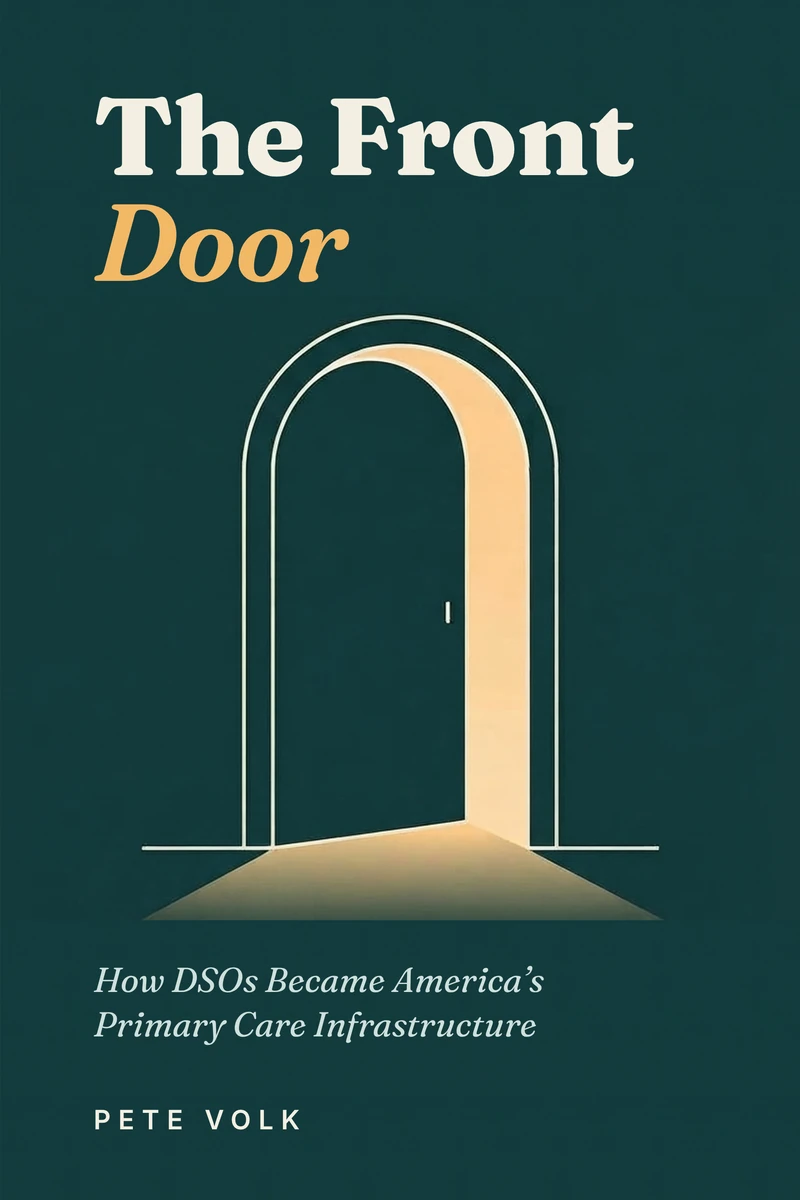
The Front Door: How DSOs Became America's Primary Care Infrastructure
Why the dental chair became a front door to primary care, and what it means for a group.
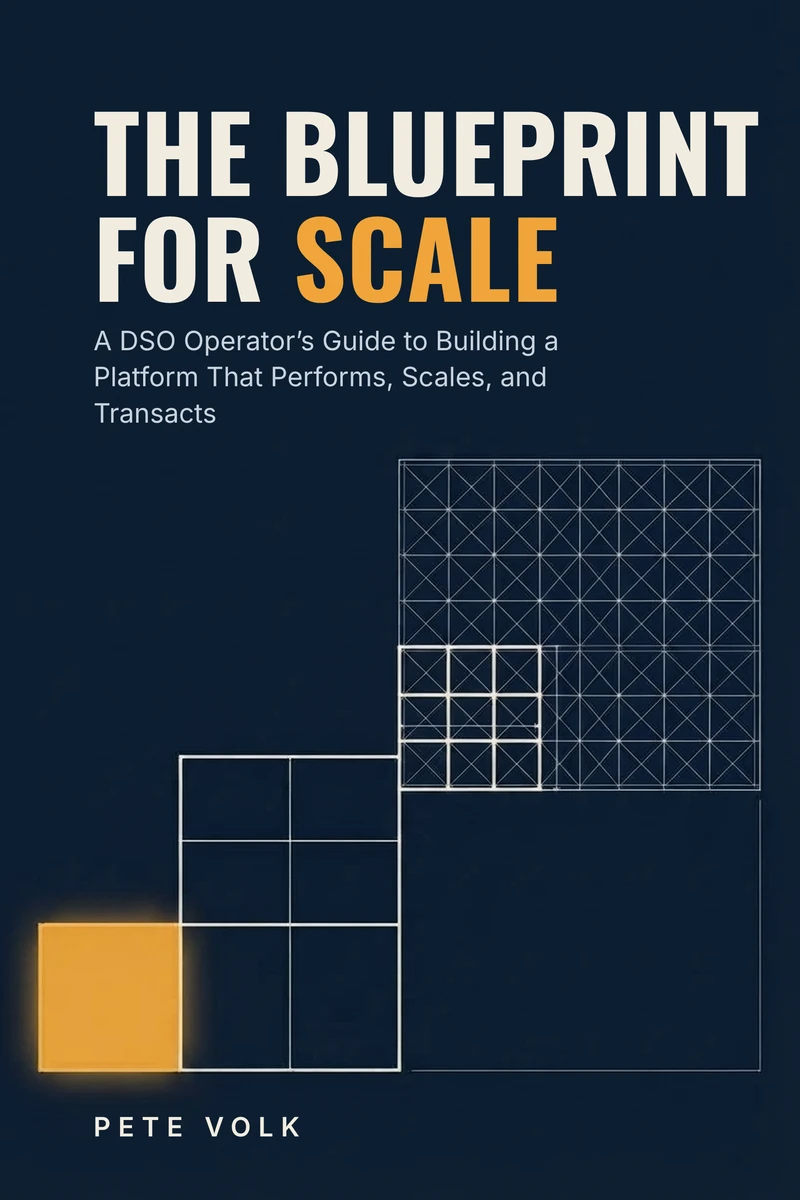
The Blueprint for Scale: A DSO Operator's Guide to Building a Platform
Build a platform that performs, scales, and sells at its full potential value.
$49