Same Chair, Three Ages: What a $22,700 Operatory Does to Your Retirement at 38, 52, and 61
The break-even on a dental operatory barely changes with your age, but the payoff and the cost of a mistake change a lot. Here's the same room bought at 38, 52, and 61.
Read →
What a Buyer Pays For When Your Equipment Is on the Table
Buyers pay for cash flow, not for how new your chairs are. Here's how equipment fits into a dental practice valuation, what allocation does to your taxes, and the math on buying a room before you sell.
Read →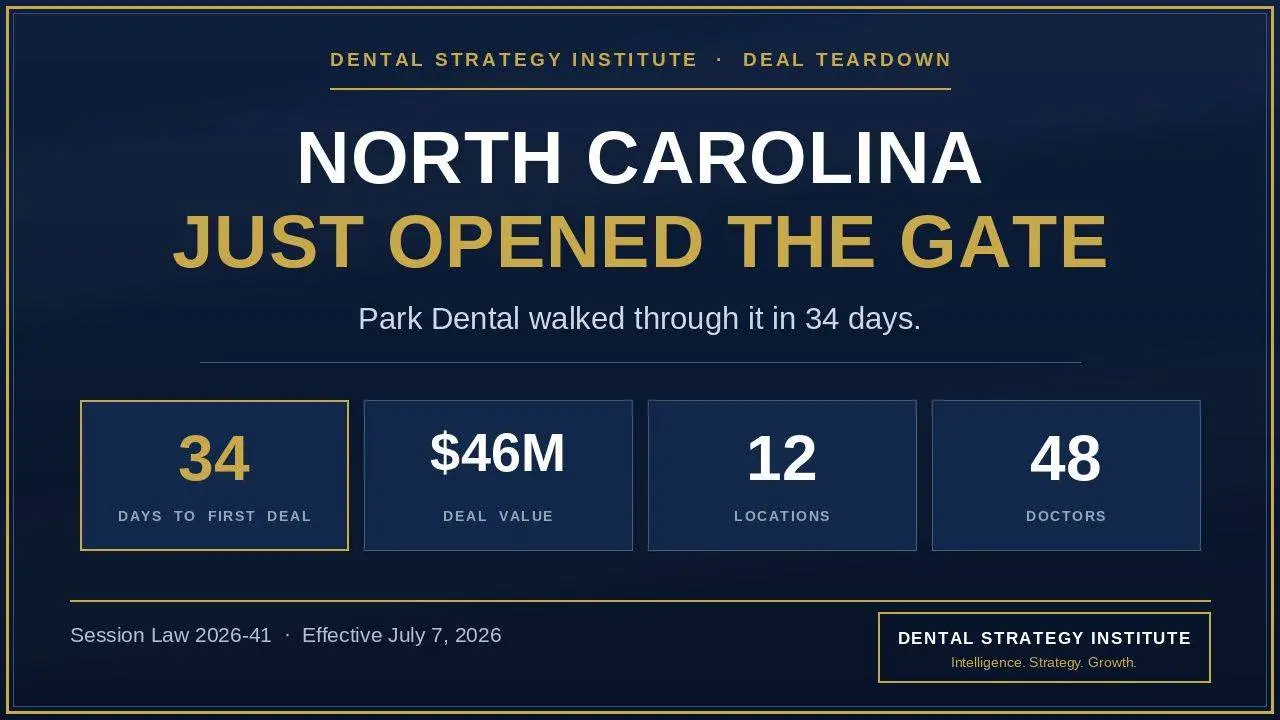
North Carolina Just Opened the Gate — And Park Dental Walked Through It in 34 Days
North Carolina Session Law 2026-41 ended the dental board's pre-approval of management agreements on July 7, 2026. Thirty-four days later, Park Dental Partners announced a $46M acquisition of Village Family Dental. What changed, what didn't, and what NC practice owners should do now.
Read →Going Independent: What Every Dental Hygienist Should Know Before Leaving the Chair
The real business math behind independent hygiene practice — the three practice models, the costs nobody mentions, and how to decide before you leave the chair.
Read →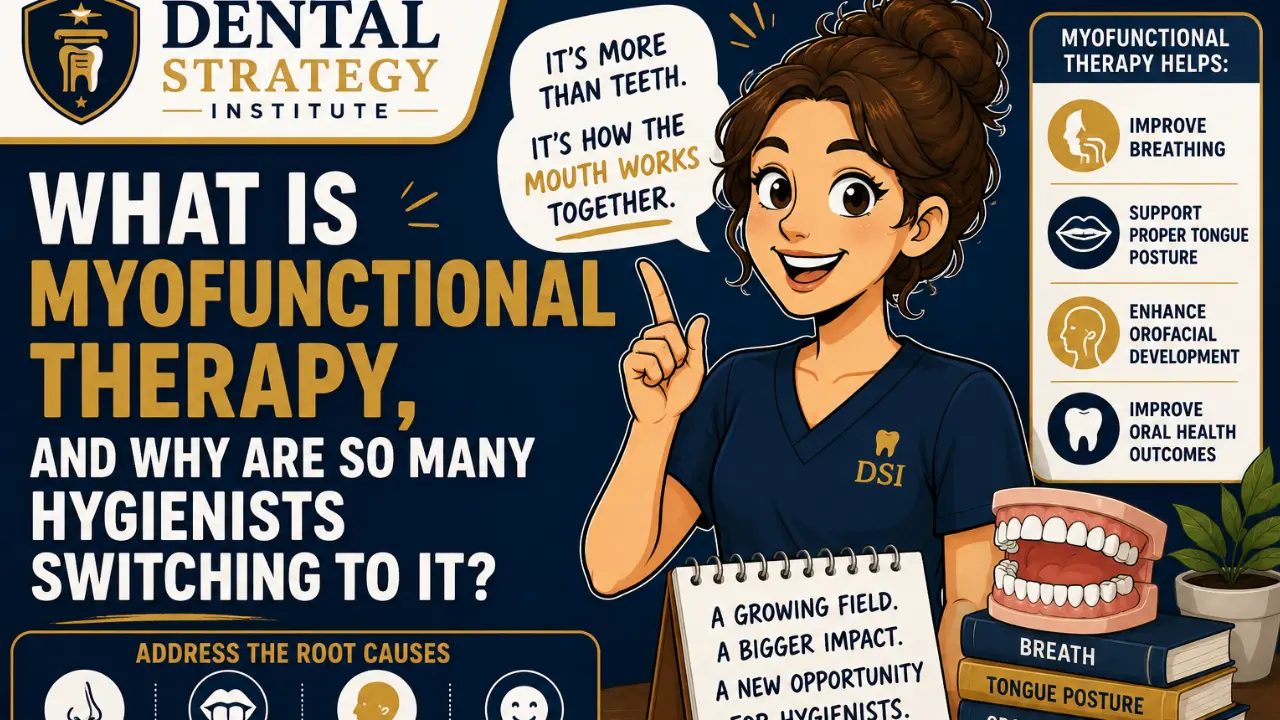
Myofunctional Therapy as a Career: What It Actually Pays, and What It Takes to Get There
The certification path, real cost, and realistic income by practice model for hygienists considering myofunctional therapy as a career add-on or standalone practice.
Read →
Myofunctional Therapy as a Career: The Book, the Toolkit, and Everything a Hygienist Needs to Launch
The complete guide and toolkit for dental hygienists building a myofunctional therapy practice — training, scope of practice, pricing, marketing, and the calculators to run the numbers.
Read →
The Dental Practice Succession Planning Crisis Nobody Is Talking About
The average dentist retires at 68.7. One third of hygienists plan to retire within 5 years. And almost nobody has a formal succession plan. Here's what that collision looks like — and how to prepare.
Read →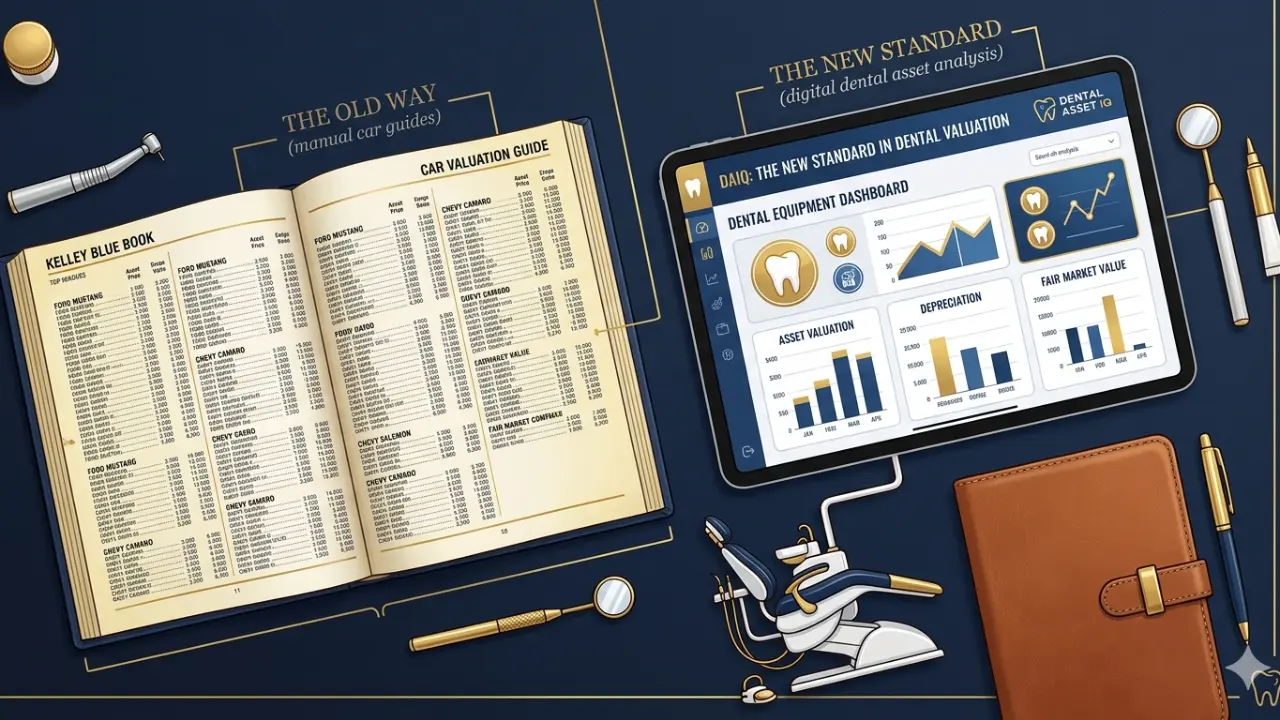
There's Never Been a Kelley Blue Book for Dental Equipment. Until Now.
There has never been a Kelley Blue Book for dental equipment — until now. Here's how DentalAssetIQ fills the gap that's been costing practice owners money in every M&A deal, insurance claim, and partnership transaction.
Read →
The Retiring Dentist Wave: Why the Seller's Market Has an Expiration Date
69% of DSOs are hunting for practices right now — but an incoming wave of retiring dentists will flip this market. Here's what the data says about your window to sell.
Read →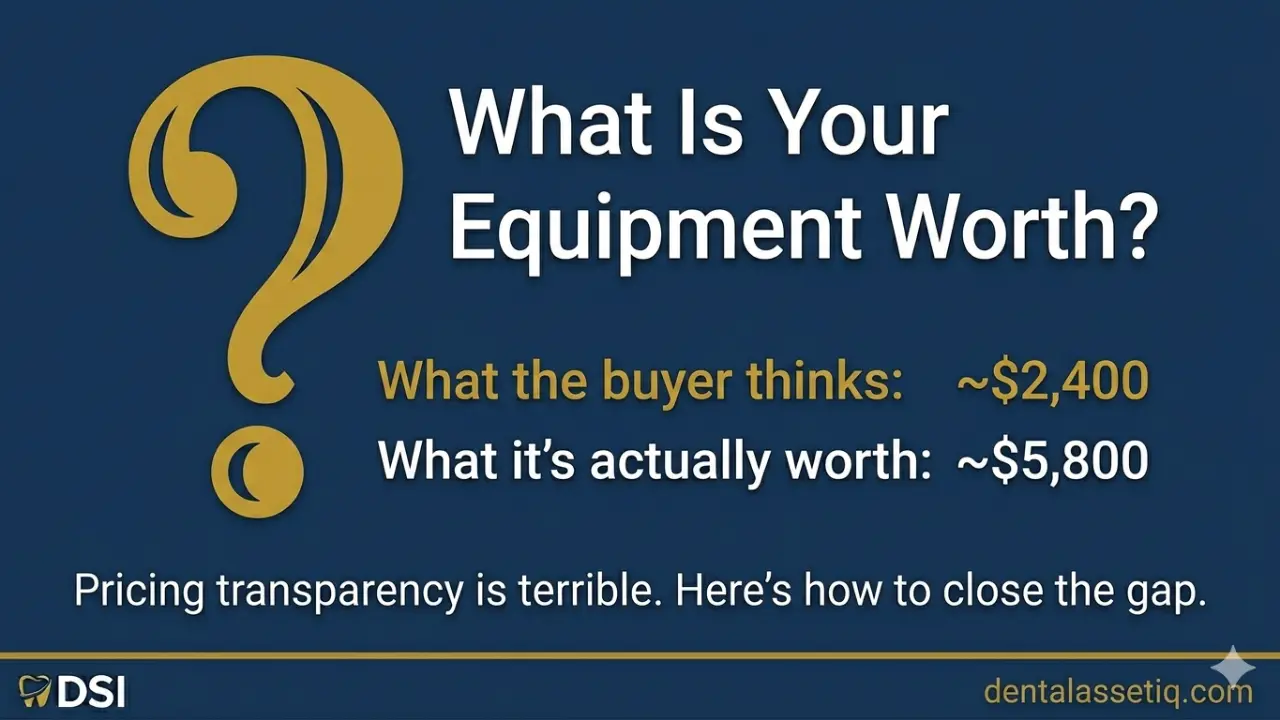
What Is My Used Dental Equipment Worth? How to Value What You Own
Pricing transparency in the used dental equipment market is terrible. Most sellers have no idea what their equipment is worth — and most buyers know it. Here's how used dental equipment valuation actually works, and how to get a number you can defend.
Read →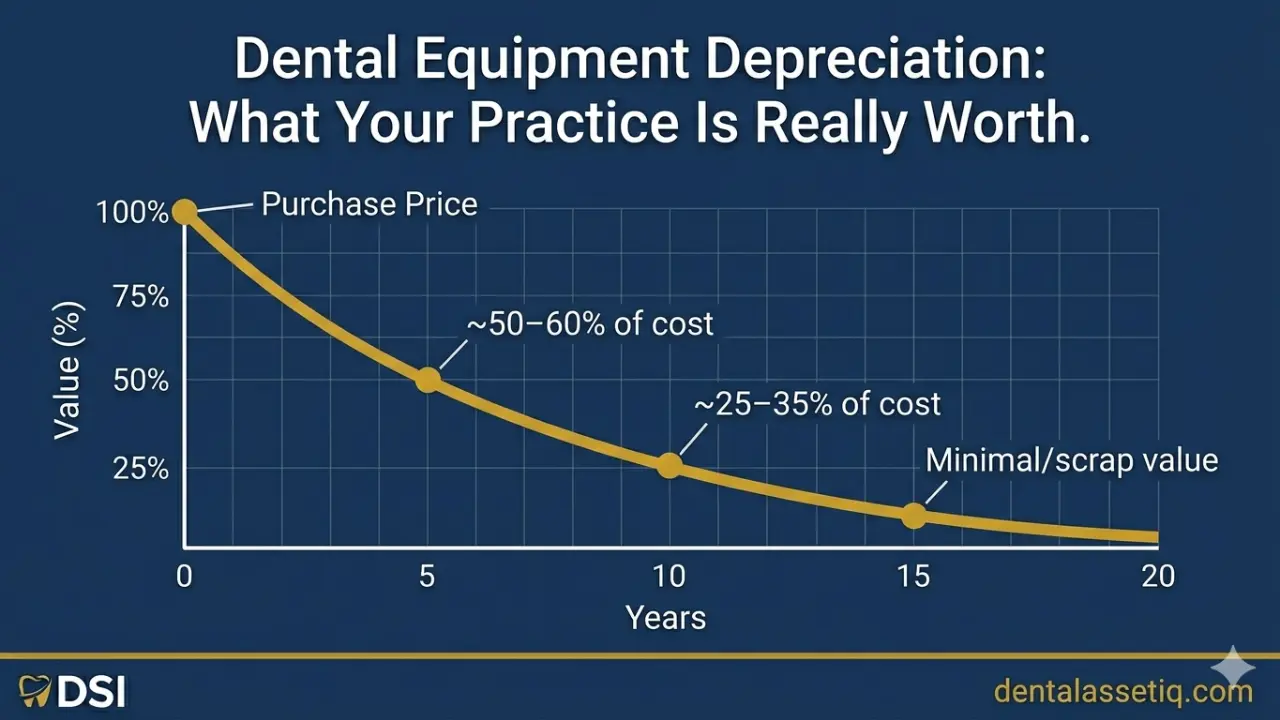
Dental Equipment Depreciation: What It Means, How to Calculate It, and Why It Matters in a Practice Sale
Here's how dental equipment depreciation works, how it affects your practice valuation, and what you can do about it before you sell.
Read →Dental Practice Exit Strategy: What to Do in the 3 Years Before You Sell
The dentists who get the best outcomes in practice sales started planning 3 years out. Here's exactly what that preparation looks like.
Read →How to Go Insurance-Free: The Practice Transition Framework That Actually Works
Going insurance-free sounds scary. Done right, it builds a more profitable practice and a more loyal patient base. Here's the framework.
Read →What EBITDA Actually Means in a Dental Practice — and Why Your Tax Return Doesn't Show It
EBITDA is the number that determines your practice's value in a DSO deal. Here's exactly what it means, how to calculate it, and why your tax return isn't telling you the whole story.
Read →How to Value a Dental Practice: What the Number on the LOI Actually Means
The LOI has a number. But do you know how it was calculated — or what it would take to get more? Here's how dental practice valuation actually works.
Read →
What Is a DSO Earn-Out — And Why Most Dentists Don't Understand What They're Signing
A DSO earn-out sounds like bonus income. It's actually one of the most negotiable — and most misunderstood — clauses in any dental sale. Here's what it really means.
Read →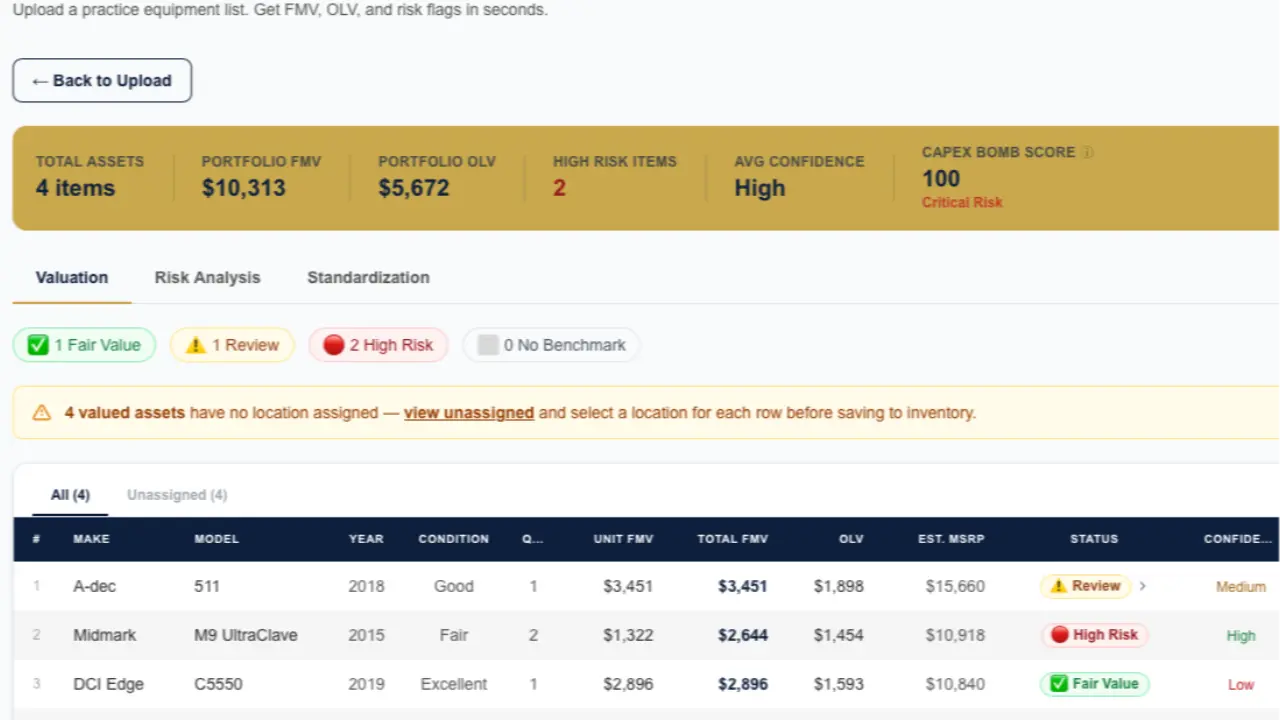
The Hidden Liability in Every Dental Practice Sale: Equipment No One Has Actually Valued
Most dental practice sales close with equipment valued by guesswork. Here's what DSO buyers actually look at — and how sellers leave money on the table.
Read →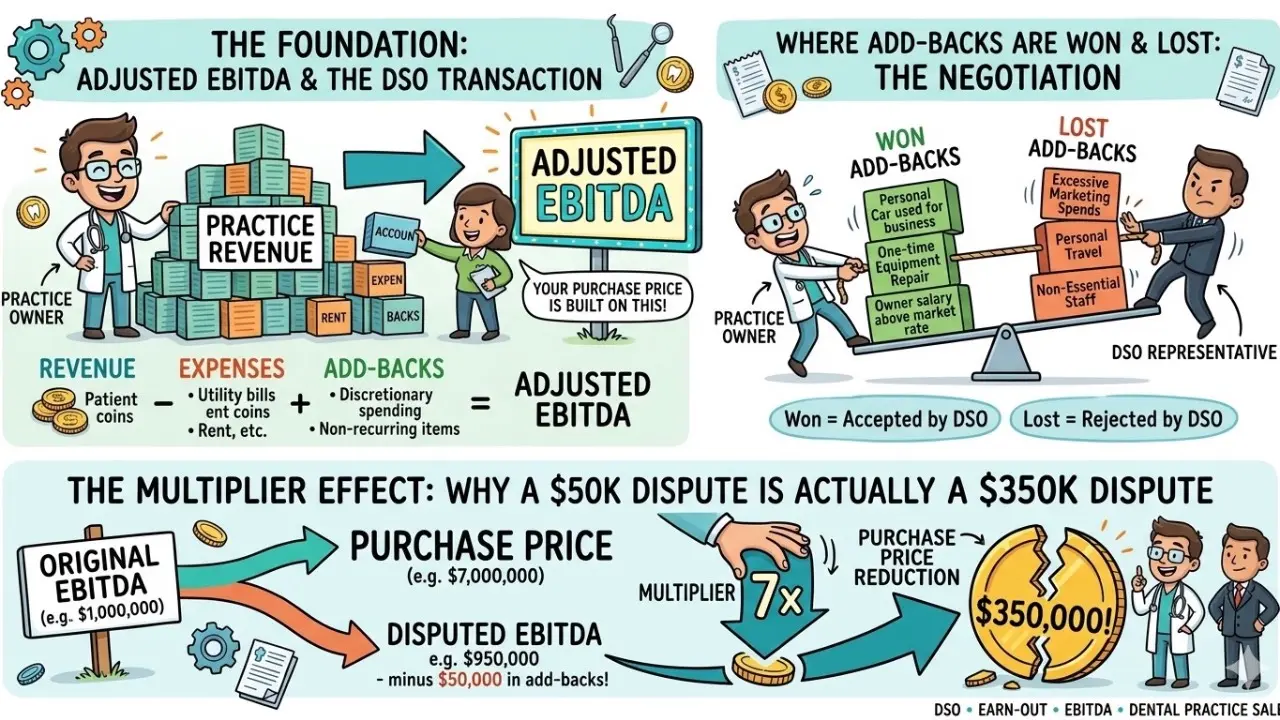
What Is Adjusted EBITDA in a Dental Practice Sale — and Why Every Add-Back Is Worth Seven Times Its Value
In a DSO transaction, adjusted EBITDA is the number your purchase price is built on. Here's how it's calculated, where add-backs are won and lost, and why a $50,000 dispute is actually a $350,000 dispute.DSO, earn-out, EBITDA, dental practice sale, DSO transaction
Read →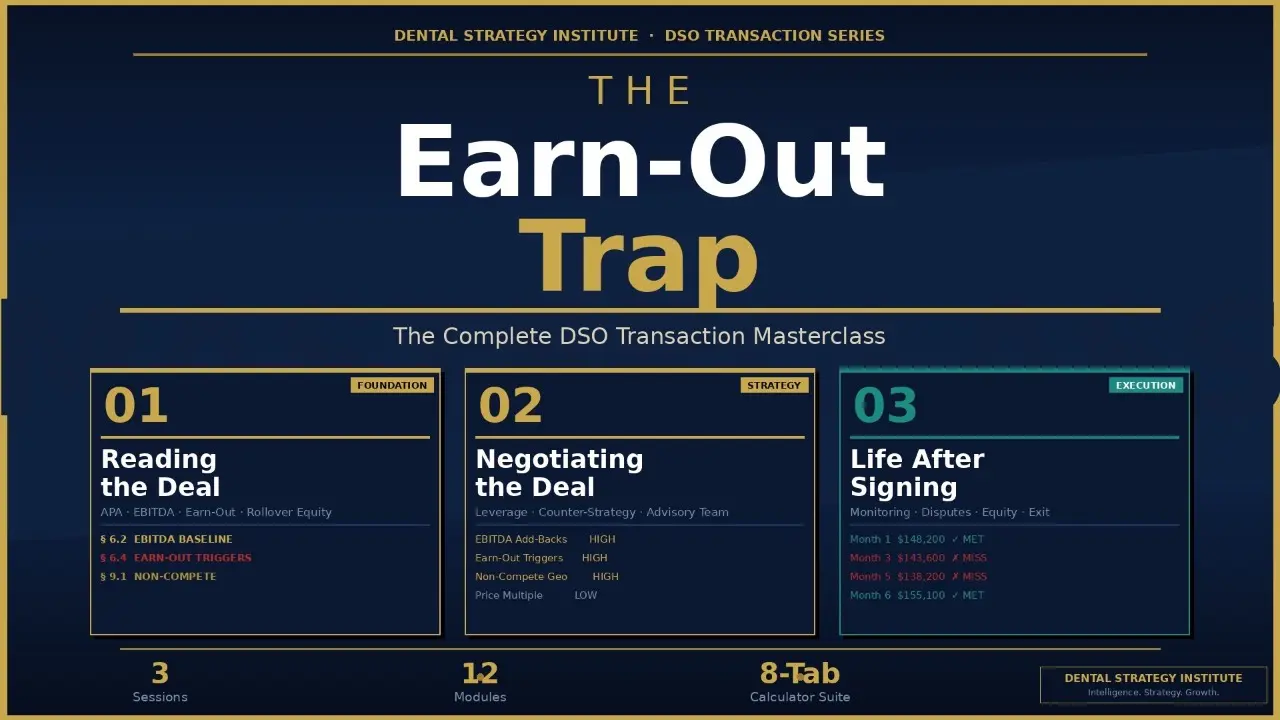
How to Read a DSO Earn-Out Agreement — What Every Clause Is Actually Doing to Your Money
Most dentists sign DSO earn-out agreements without understanding what they say. This guide walks through the five clauses that determine whether your earn-out pays out — or doesn't.
Read →
How to Exit Your PPO Contracts Without Losing Patients
Dropping insurance doesn't mean losing your practice. The dentists who do it successfully follow a deliberate, phased transition strategy.
Read →
The Earn-Out Trap: Why Your DSO Deal Isn't Done Yet
Earn-outs look like deferred upside. In practice, they're contingent payments tied to targets you may not control. Here's what to watch for.
Read →
What Is a DSO — And Should You Join One?
Before you sign anything, understand what DSO affiliation actually means for your income, autonomy, and long-term exit strategy.
Read →