
Browse by Topic: DSO & M&A · Practice Operations · Hygiene Career Track · Practice Finance · Regulation & Compliance
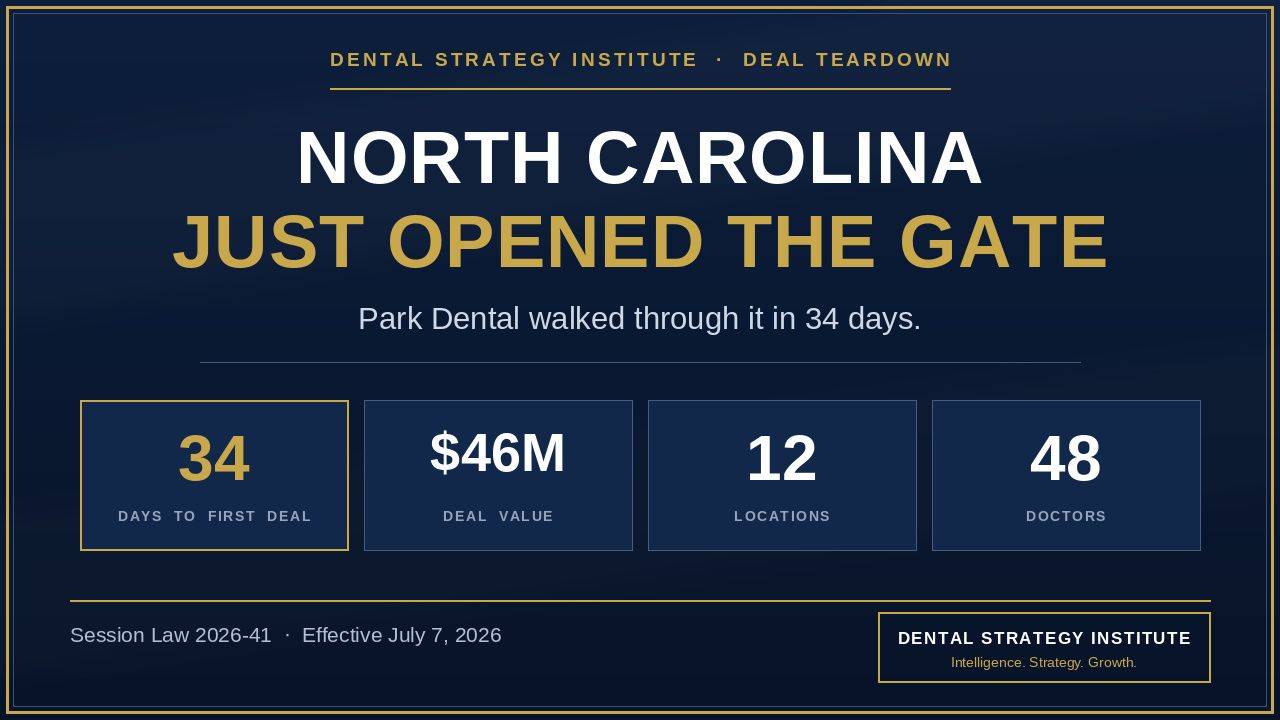
Thirty-four days.
That's how long it took. North Carolina's new law killing the dental board's pre-approval requirement for management agreements took effect on July 7, 2026. On August 10, Park Dental Partners announced it was buying Village Family Dental — twelve locations, forty-eight doctors, ea...
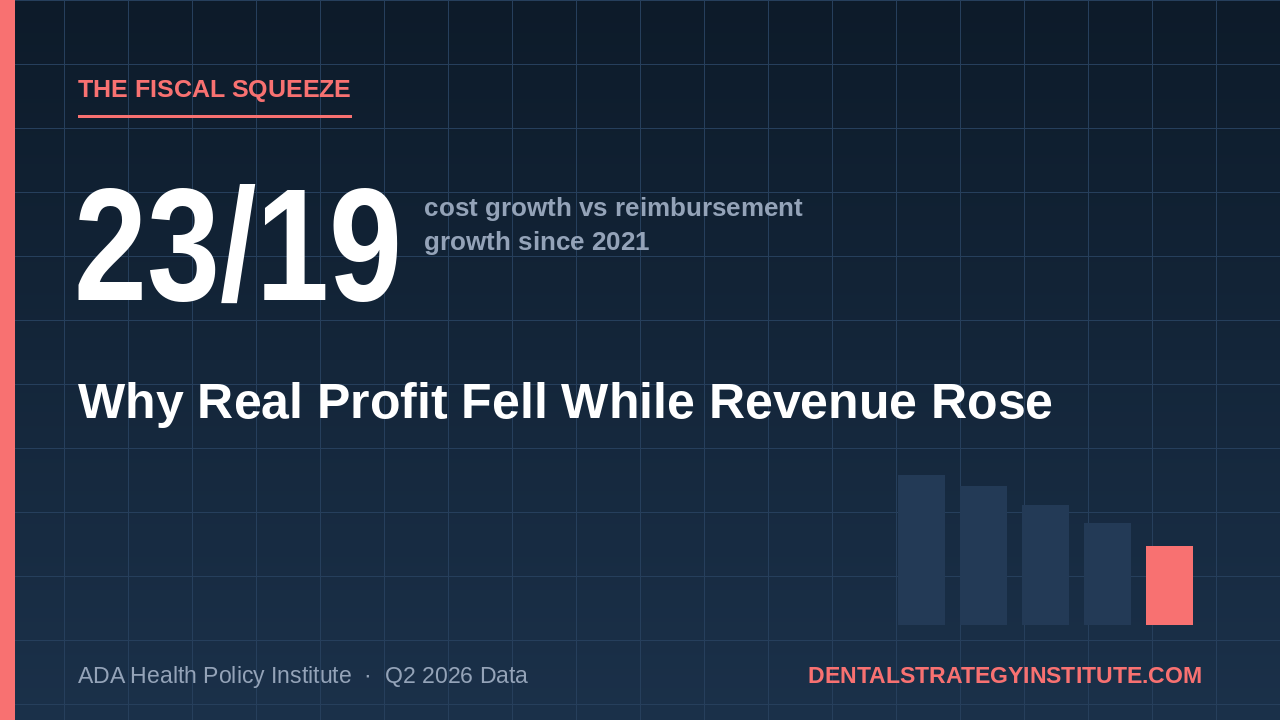
Every quarter the ADA publishes two index numbers side by side and every quarter the industry press reprints them without doing the arithmetic. The Q2 2026 report is no exception.
Here they are. Since January 2021, prices for dental equipment and supplies rose 23%. Hourly earnings for dental office...
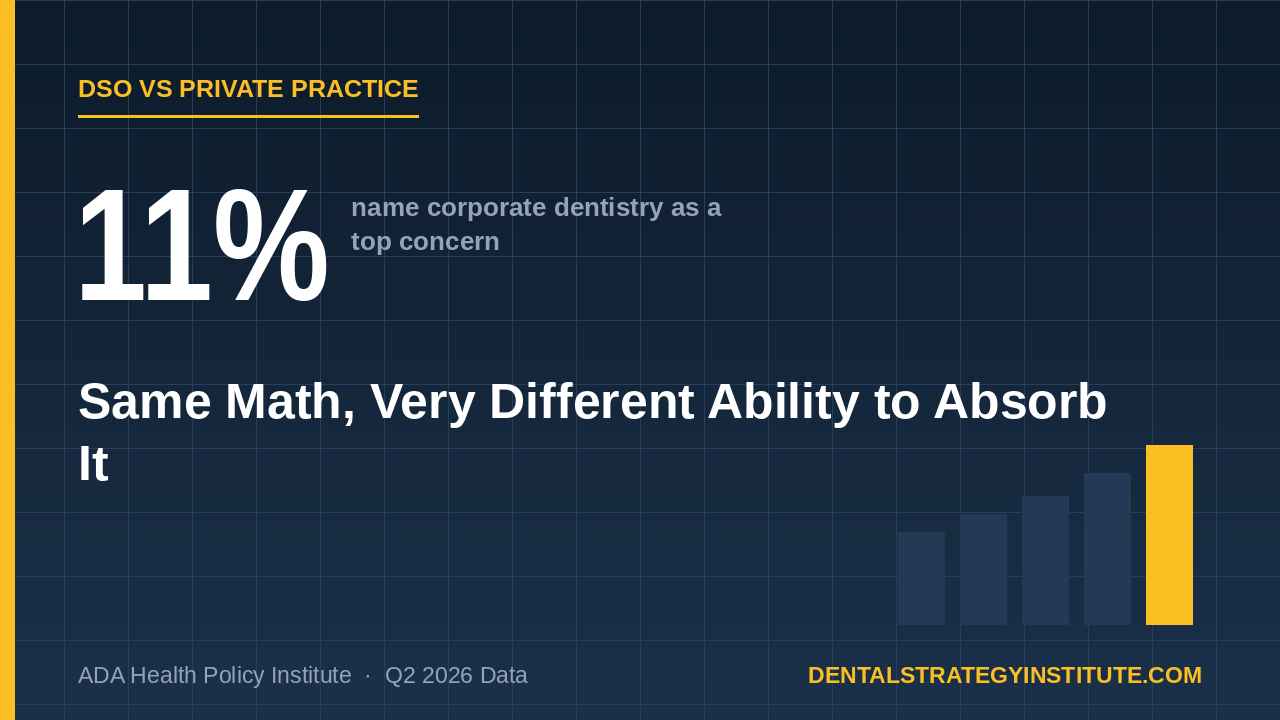
Every time the ADA publishes economic data, the comment sections split into two camps. One says the numbers prove independent practice is dying. The other says they prove corporate dentistry is overhyped and the independents are fine.
Both readings are lazy, and the Q2 2026 report is a good place to...
By Dental Strategy Institute | June 2026 | 8-Minute Read
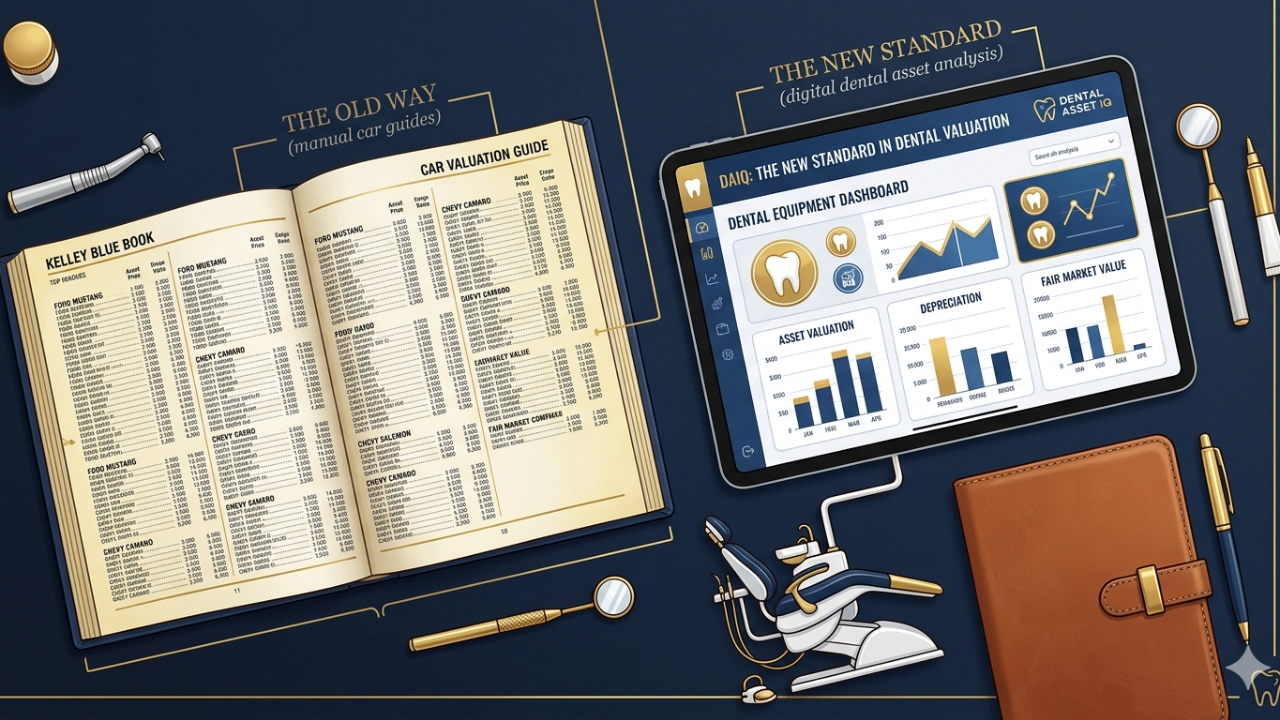
When you search for the value of a used car, you go to Kelley Blue Book. There is a universally accepted reference point. The market has a number. Everyone — buyer, seller, insurer, lender — consults the same source, and transactions happen...
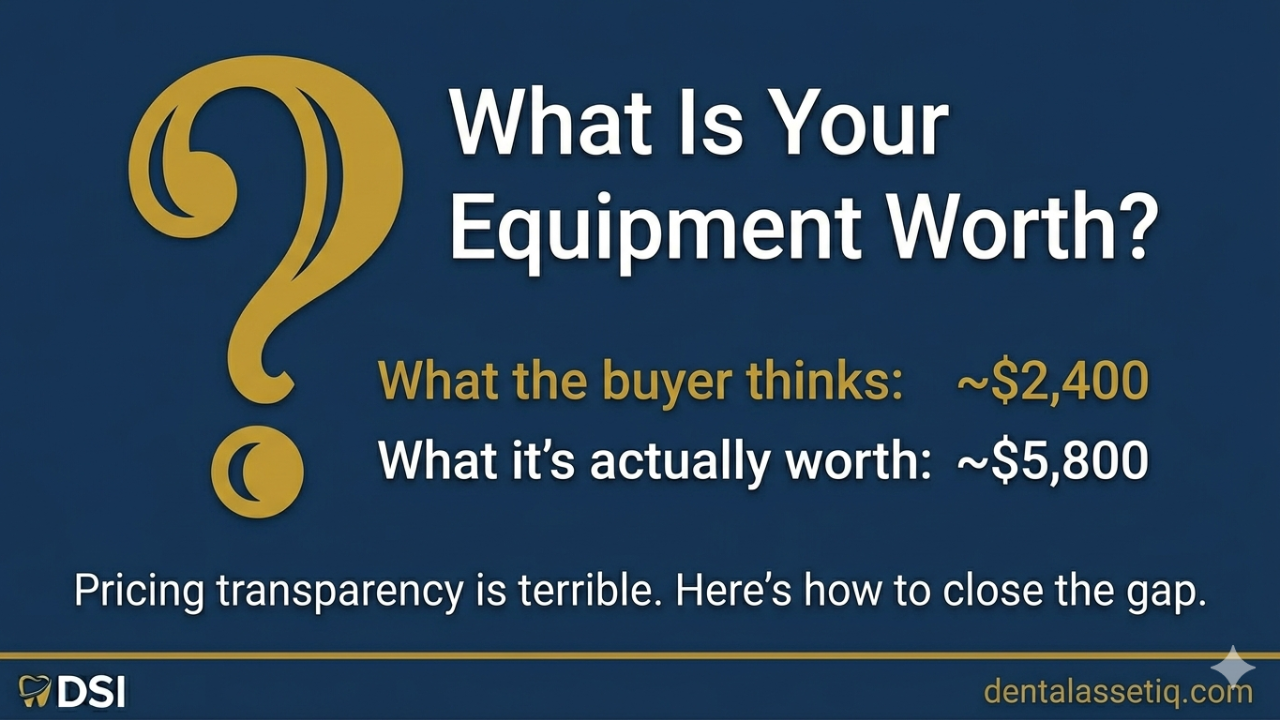
Let me tell you how most used dental equipment pricing works in a practice sale.
The buyer's team walks through the operatories. They take notes. They go back to the office and apply rough age-based estimates to the equipment list — numbers drawn from a dealer rep's memory and whatever feels right ...
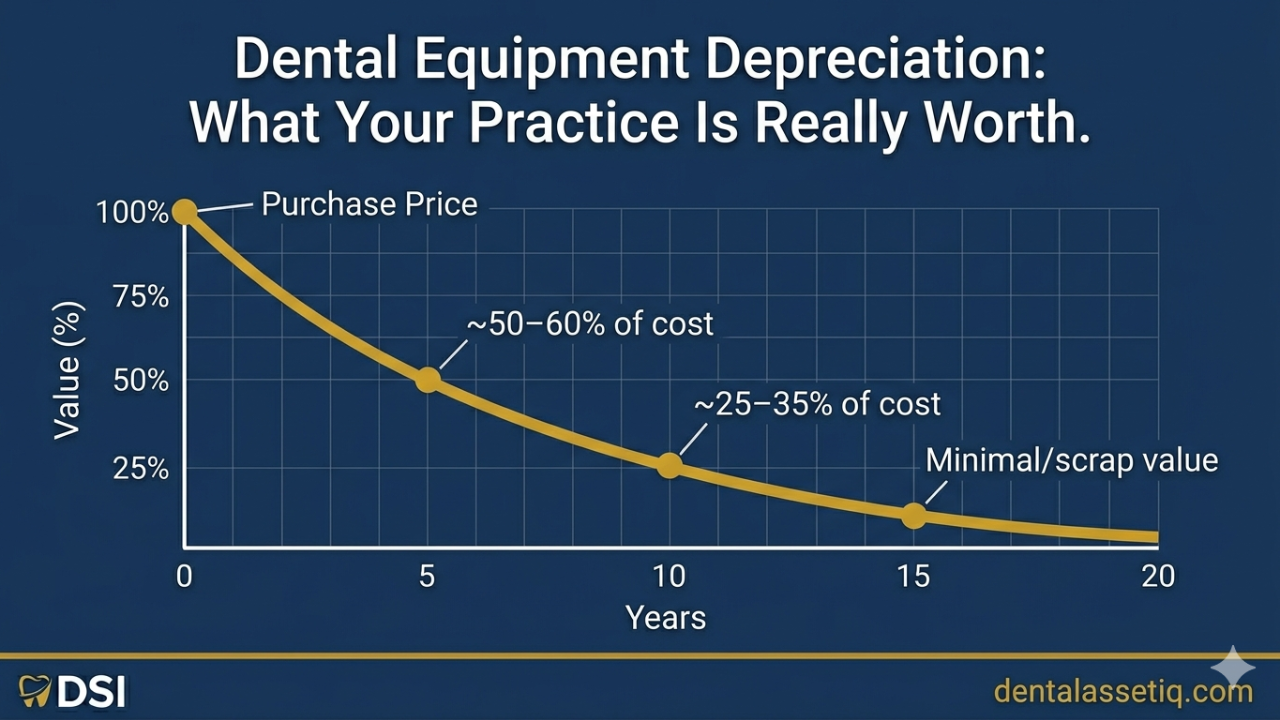
Walk into almost any dental practice transaction and you'll find the same blind spot. The seller has a number in mind — usually based on collections and EBITDA — and the equipment is essentially an afterthought. The buyer's due diligence team walks through the operatories, notes that the chairs are ...
EBITDA. You'll see it in every DSO letter of intent. You'll hear it in every M&A conversation. And if you ask most practice owners what their EBITDA actually is, you'll get a shrug and a rough number that's almost certainly wrong. That's not an insult — it's just the reality. EBITDA is a financial c...
Every dental practice owner gets a number eventually. It might come in the form of an LOI from a DSO. It might come from a broker during a preliminary conversation. It might be a figure your accountant throws out at year-end as a rough estimate of what your practice is worth. The question isn't whet...
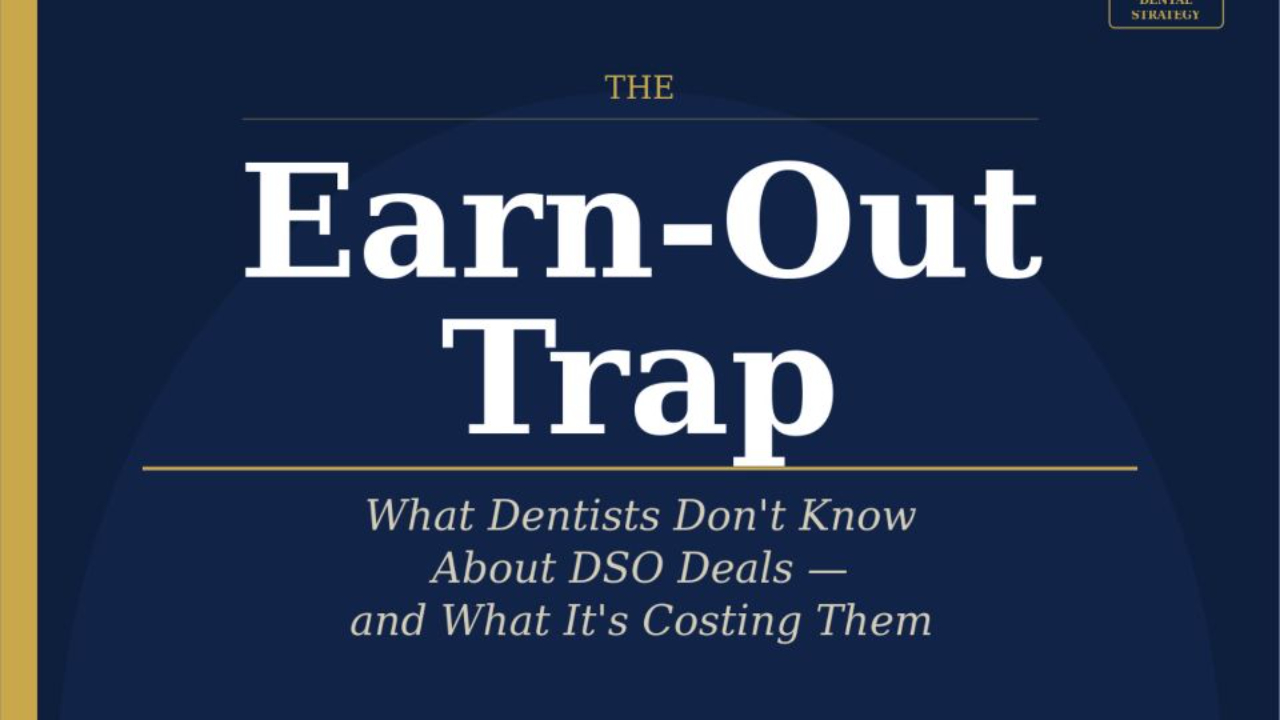
The letter of intent arrived on a Thursday. It looked good — 7x EBITDA, a two-year earn-out with solid upside, rollover equity with a projected second-bite return. The dentist called his accountant, who said the number looked reasonable. He signed the LOI the following week. Eighteen months later, h...
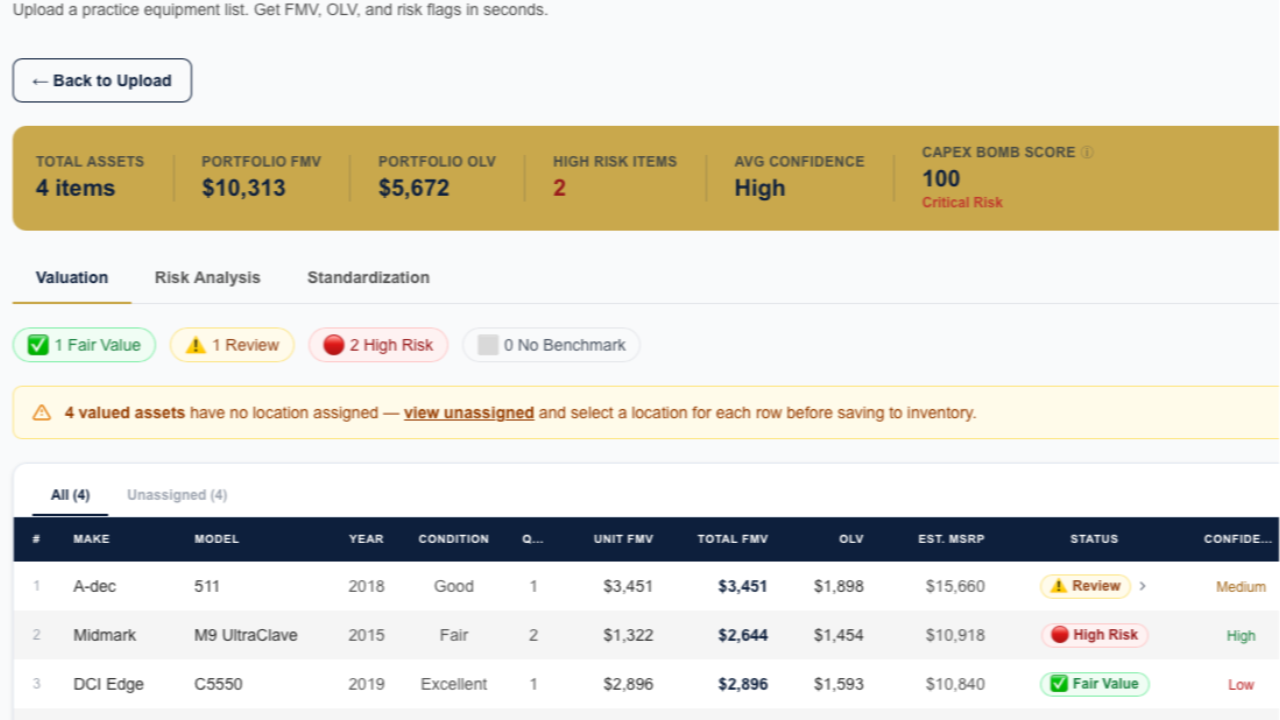
I've sat across the table from a lot of dental practice transactions — as an advisor, as a consultant, and now as the person who built the software that tries to solve a problem I watched happen over and over again. Here it is: nobody actually knows what the equipment is worth. Not the seller. Not u...
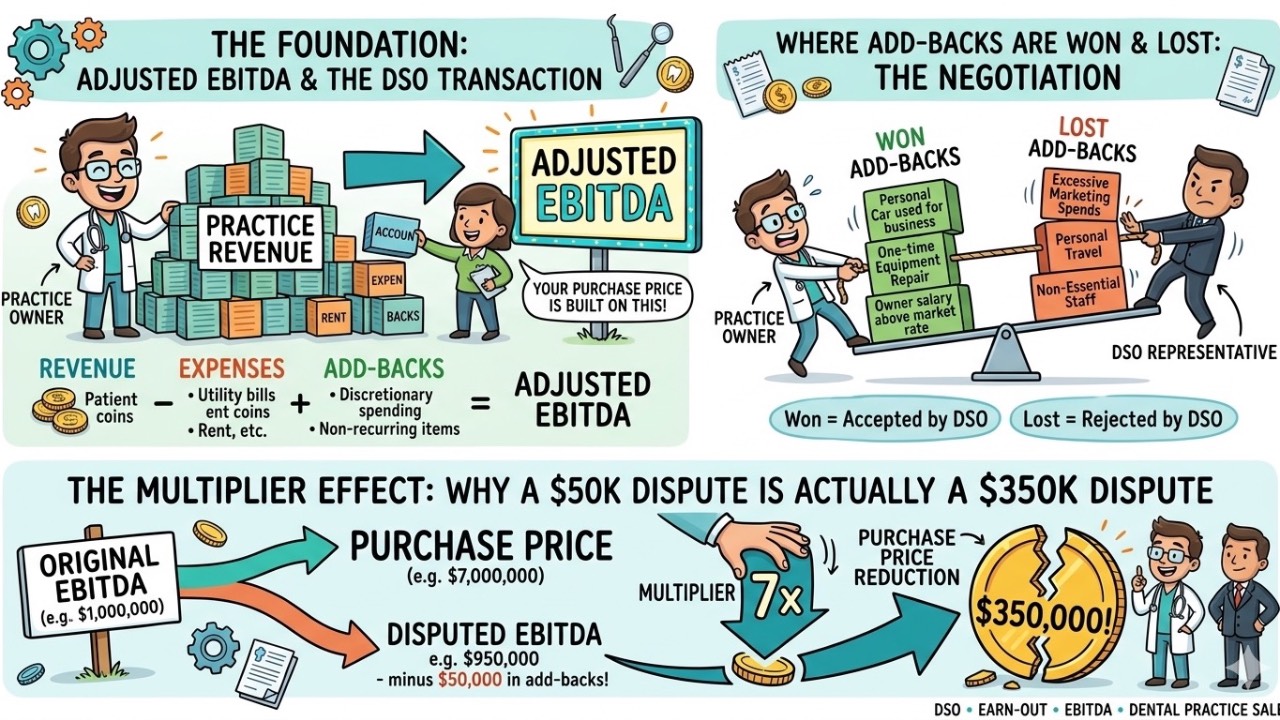
If you've received a letter of intent from a DSO, you've seen the term EBITDA. You may have nodded along as your broker explained it. You may have accepted the number your accountant produced without fully understanding how it was derived. This matters more than almost anything else in your transact...
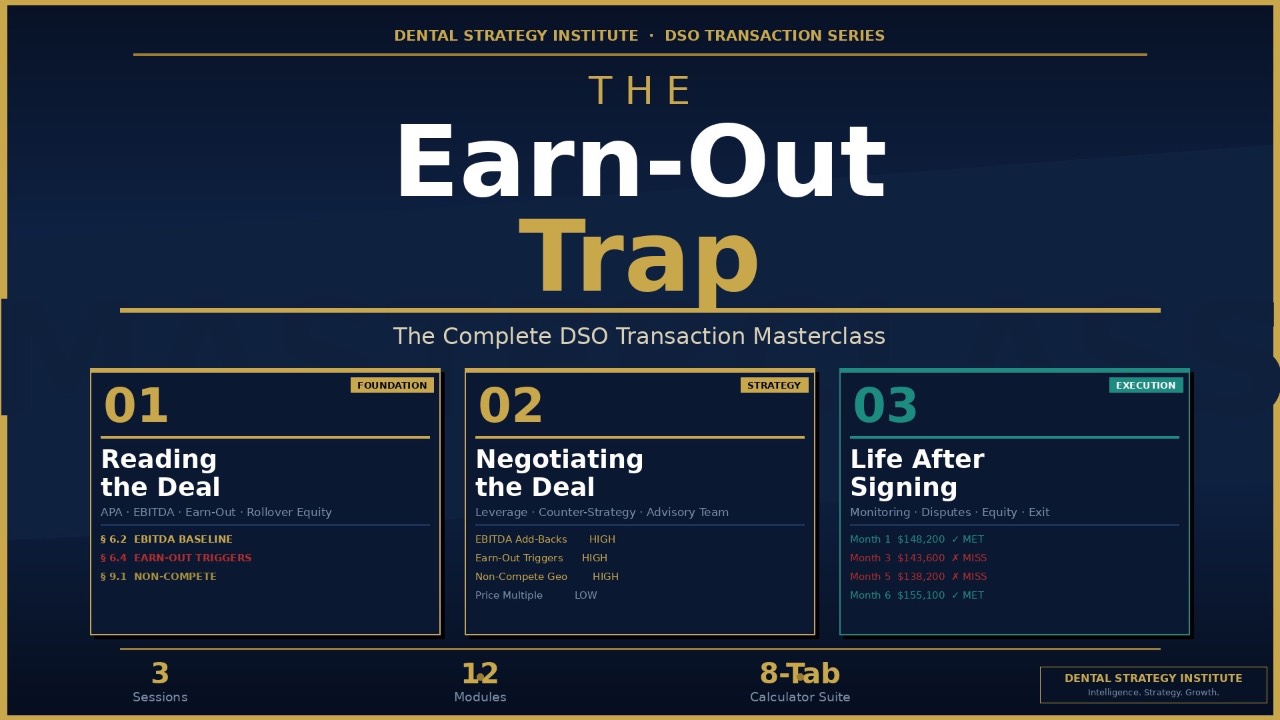
You got the letter of intent. The number looks right. The buyer's team has been professional, the process has moved quickly, and everyone keeps telling you this is a strong deal.
Then the Asset Purchase Agreement arrives — three hundred pages of legal language — and somewhere in Article 6 is the ...