Browse by Topic: DSO & M&A · Practice Operations · Hygiene Career Track · Practice Finance · Regulation & Compliance
The same software reading your X-rays chairside may be reading them again at the insurance company.
Straight answer first. Chairside dental AI (Overjet, Pearl, VideaHealth and a growing list of others) typically runs about $250 to $500 a month per location for a standard practice, based on publishe...
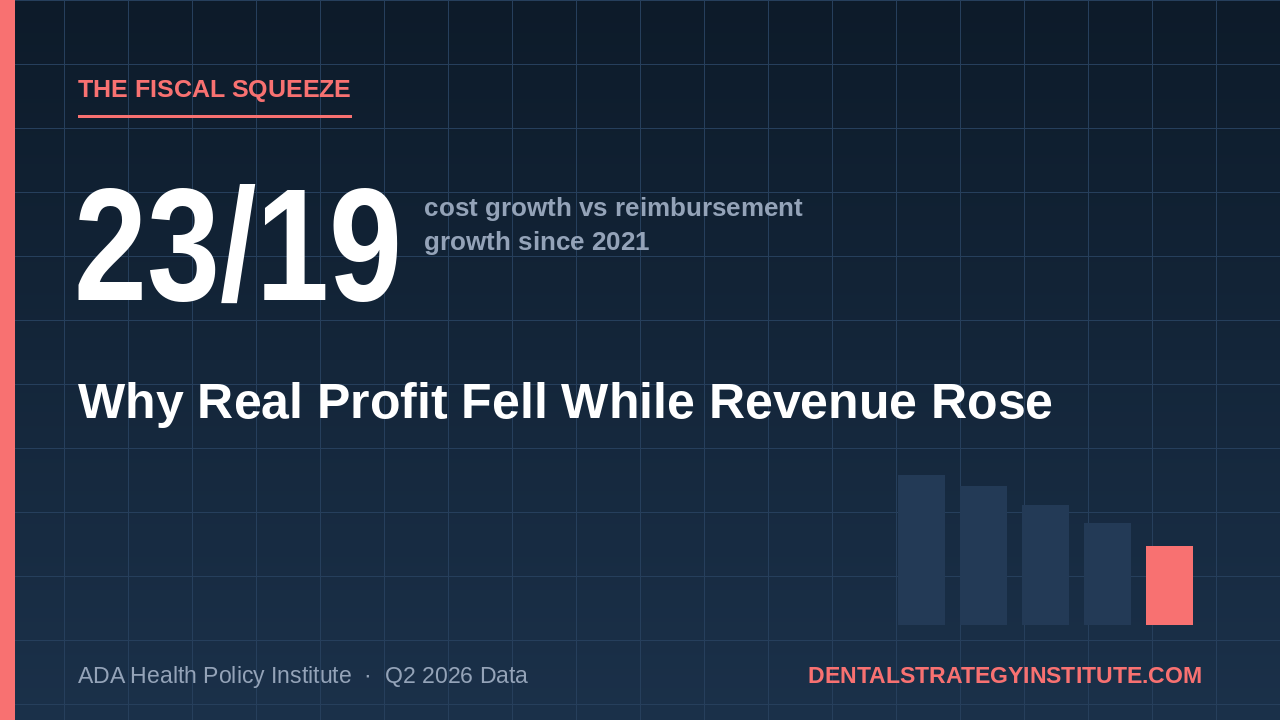
Every quarter the ADA publishes two index numbers side by side and every quarter the industry press reprints them without doing the arithmetic. The Q2 2026 report is no exception.
Here they are. Since January 2021, prices for dental equipment and supplies rose 23%. Hourly earnings for dental office...
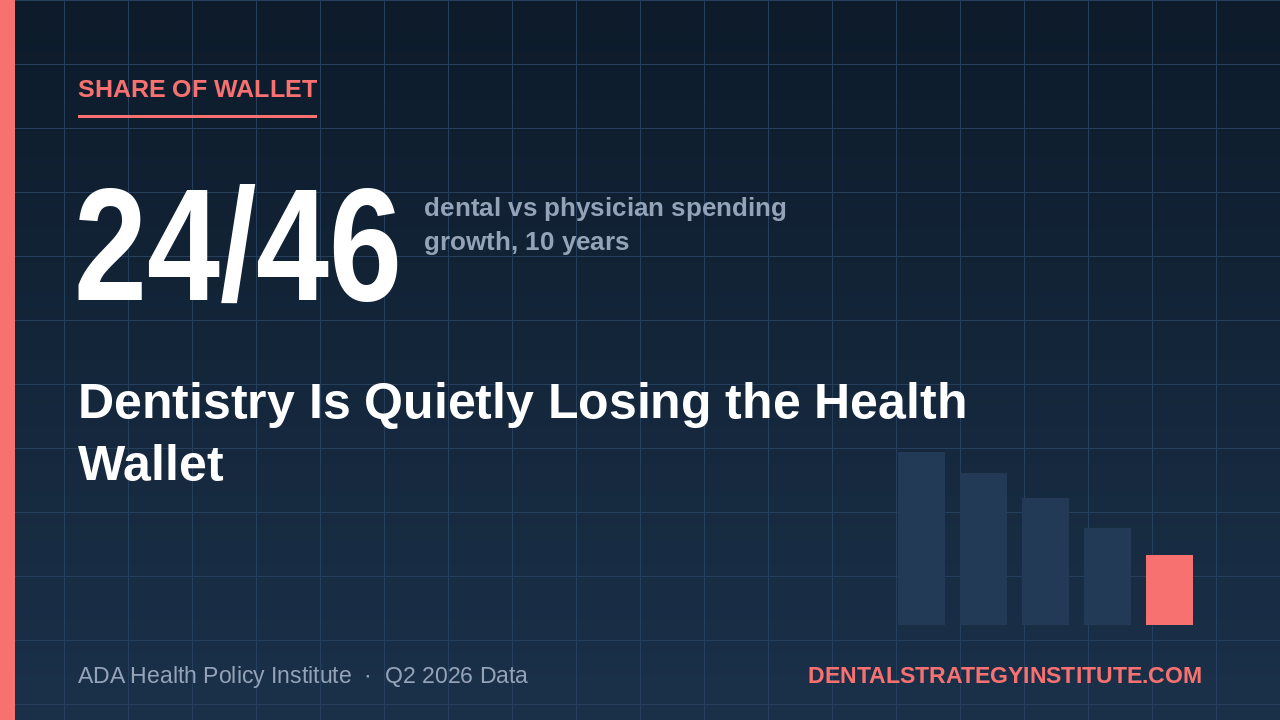
Most of what gets written about the dental economy is cyclical. Good quarter, bad quarter, confidence up, confidence down. The ADA's Q2 2026 report contains one chart that isn't cyclical at all, and it's the one I'd put in front of anybody making a ten-year decision about this industry.
Over the de...
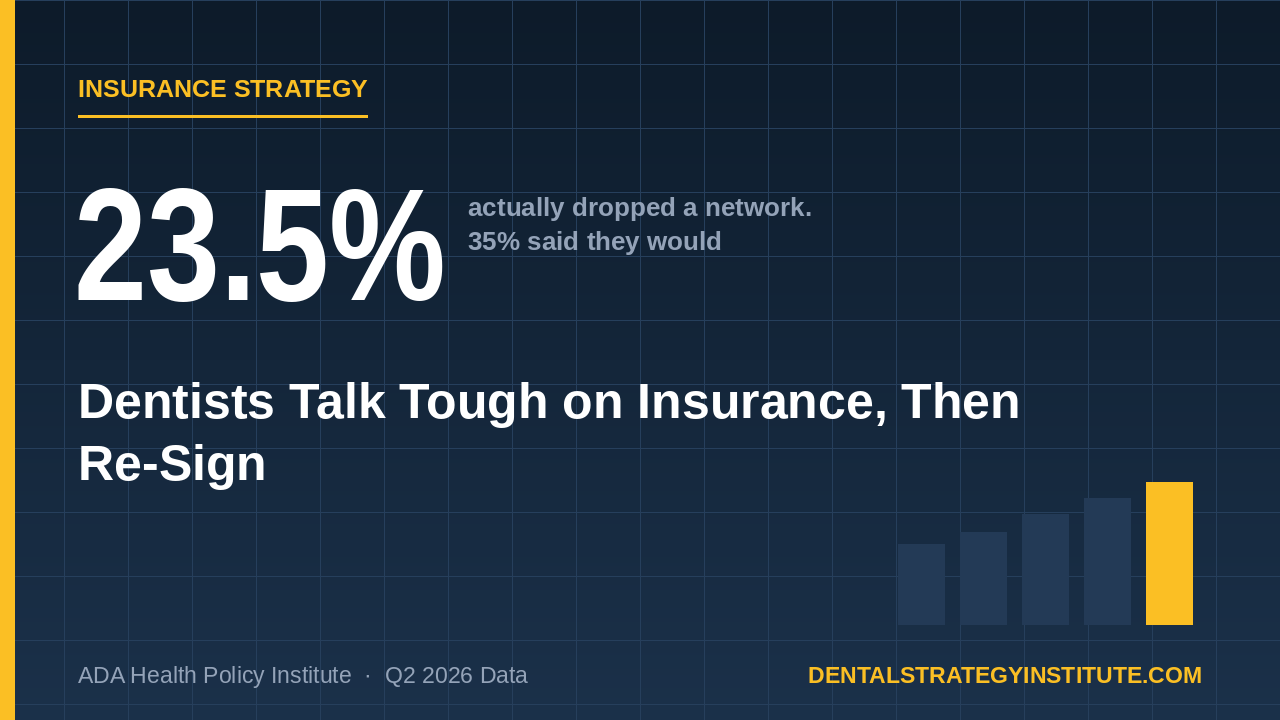
There's a slide in the ADA's Q2 2026 report that almost nobody is writing about, and it's the most revealing page in the deck.
In Q4 of 2025, the Health Policy Institute asked owner dentists what they planned to do in 2026. Then, six months later, they asked the same group what they'd actually done...
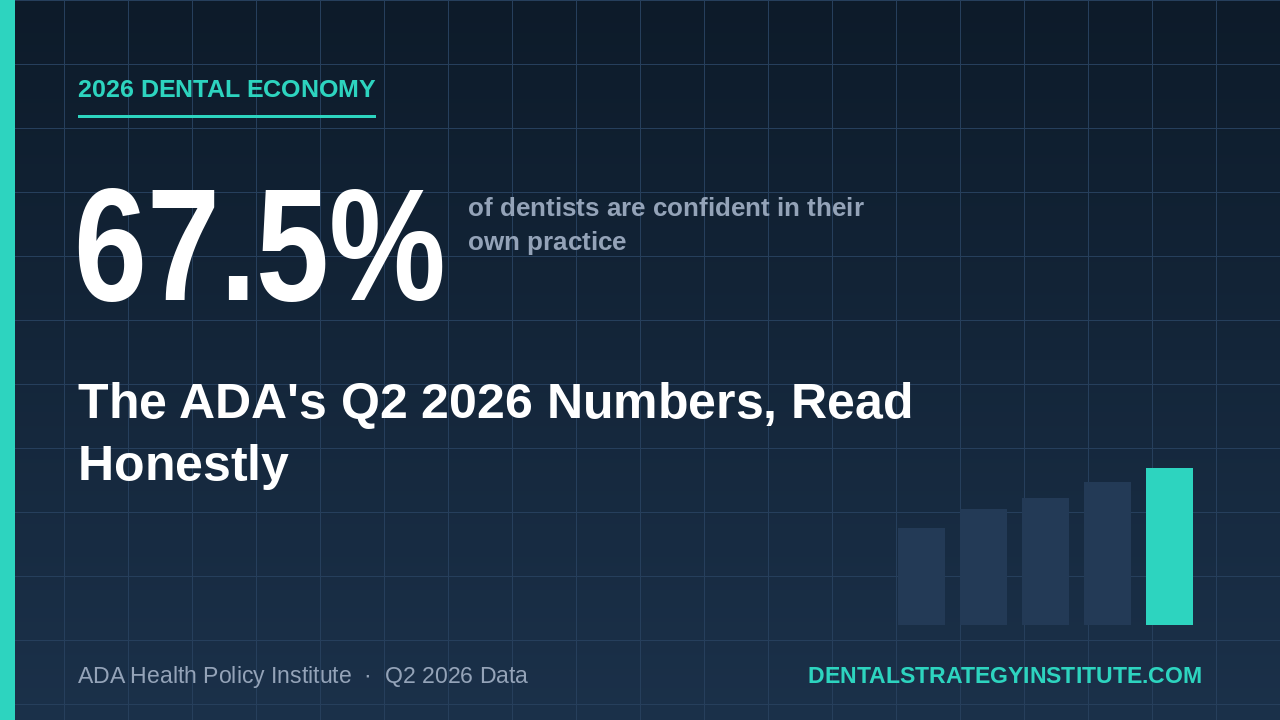
The ADA Health Policy Institute released its Q2 2026 update on the state of the U.S. dental economy in July. Forty-seven slides, four core sections, plus a new section on AI usage in dental practices.
Most of the coverage has focused on two numbers: dentist confidence is up, and 43% of dentists now...
Direct answer: the insurance versus fee-for-service question is a math problem with an ethics problem sitting on top of it. Run the write-off analysis plan by plan to find your effective hourly rate on each one. Then, separately and never in the same conversation, make sure nobody on your team is le...
The ADA's Q1 2026 data shows dental reimbursement rates rose slightly in February. I know how that headline reads — like good news, finally, after years of owners feeling squeezed from every direction. Read past the first line, though, and the long-term picture is a lot less flattering. Rates still ...
Twenty-five states have filed some version of a dental loss ratio bill since 2023, by my count. Two of them have actually gotten a mandatory minimum across the finish line. Sit with that gap for a second — that's the whole story of where this fight stands in 2026, more than any single headline could...
If you caught our first post on dental loss ratio, you already know the mechanics — DLR sets a floor on how much of every premium dollar an insurer has to spend on patient care. What that post skipped over is the question every practice owner and DSO operator actually cares about, which is whether a...
Ask ten dentists what "dental loss ratio" means and you'll get eight blank stares, one wild guess about lost patients, and one office manager who read something on the ADA site last month and has been waiting for an excuse to bring it up at lunch. Fair. It's not a phrase that rolls off the tongue in...
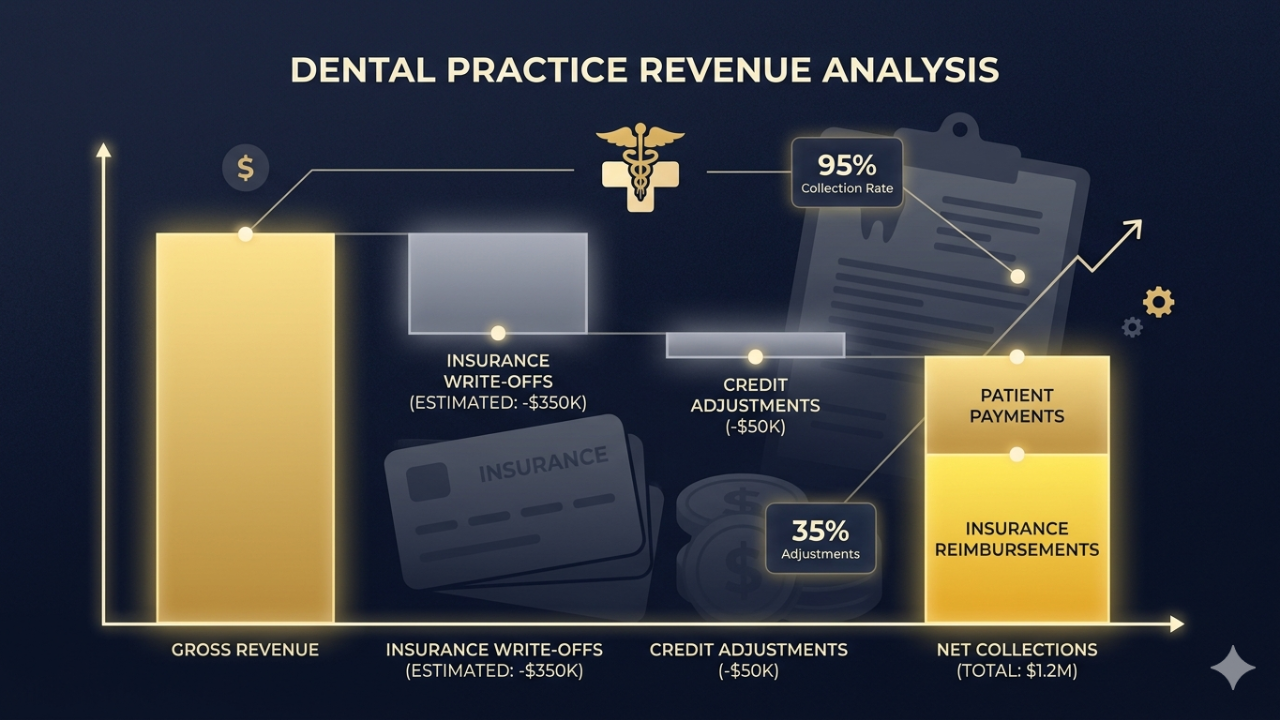
Most dentists know their PPO write-off rate is high. Few know exactly which plans are the worst offenders, what it's actually costing them in annual dollars, and what would realistically happen to their revenue if they dropped one.
That's not a knowledge problem — it's a data problem. The analysis ...
By Dental Strategy Institute | June 2026 | 8-Minute Read
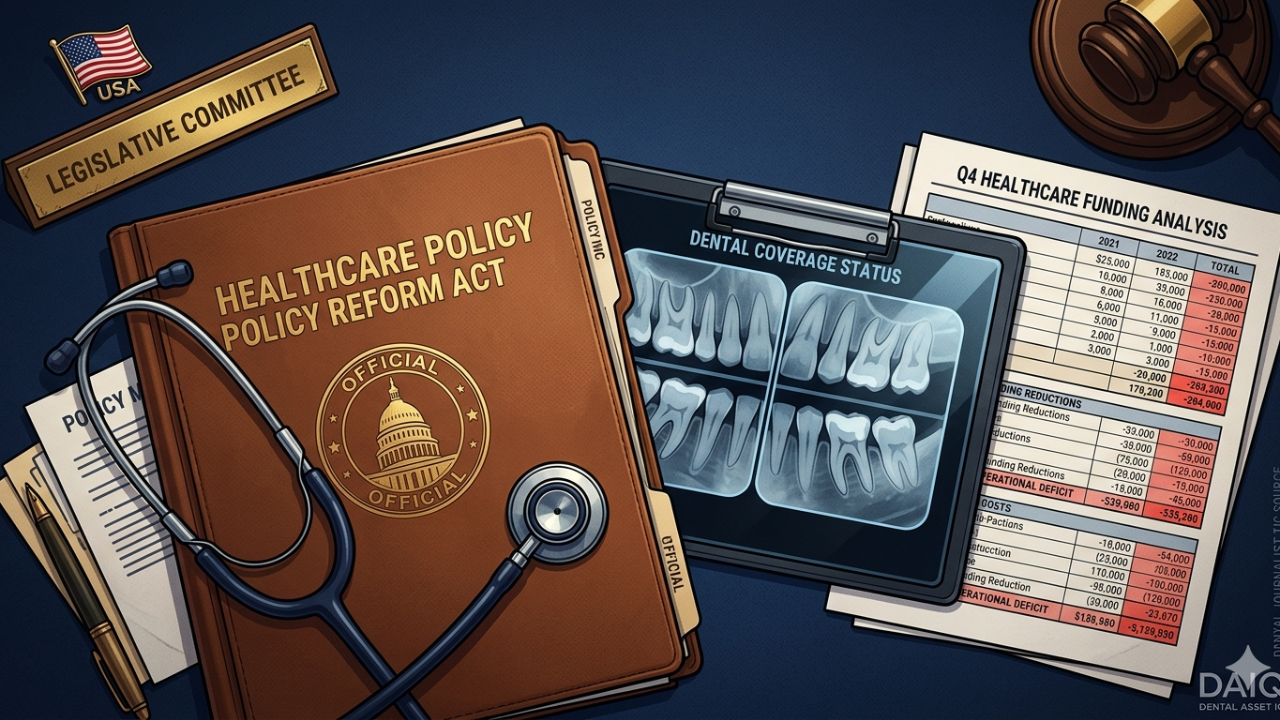
President Trump's "One Big Beautiful Bill Act" has received extensive coverage for its immigration and tax provisions. Its impact on dental practices has received comparatively little — which is a problem, because the implications for pract...